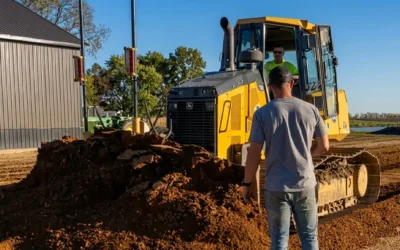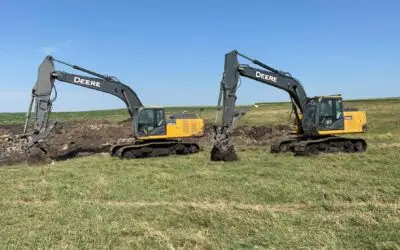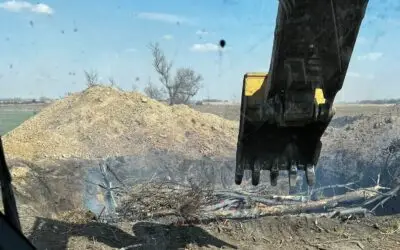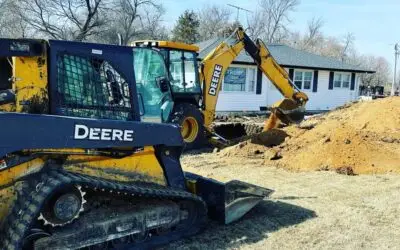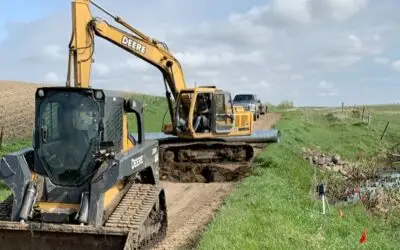
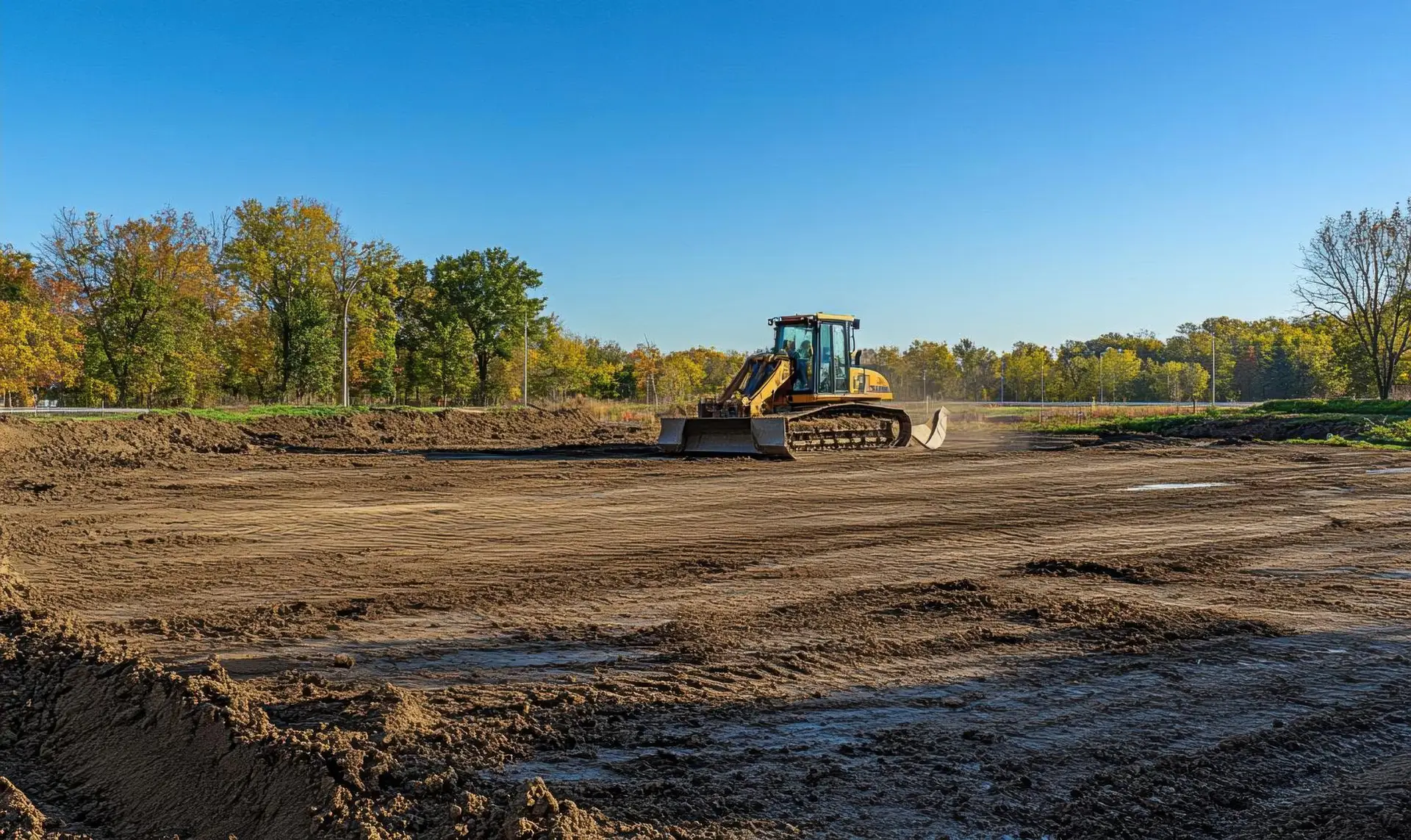
When people think about construction projects, they often picture the finished result. A new home, a shop, a driveway, a building, or a completed property improvement usually becomes the focus. But long before those visible pieces come together, one of the most important phases happens underground.
Excavation is one of the earliest and most important stages of nearly every construction project. The quality of the excavation work directly affects drainage, structural stability, site performance, and how smoothly every stage that follows can move forward. When done correctly, excavation creates the conditions for long term success. When rushed or overlooked, problems often appear later in ways that are far more expensive to correct.
This is why working with an experienced excavation contractor becomes such an important decision before construction even begins.
Excavation Does More Than Move Dirt
One of the biggest misconceptions about excavation is that it simply involves digging. In reality, excavation is about preparing the site to support everything that comes next.
A properly prepared site often includes:
- grading and leveling
- drainage planning
- utility preparation
- soil management
- foundation preparation
- access planning
Excavation creates the working surface that supports future construction and influences how well the property performs over time.
Working with professionals who provide site preparation and excavation services helps ensure that the land is shaped correctly before construction begins.
This early stage often determines how efficiently the rest of the project progresses.
Site Preparation Impacts Long Term Performance
Construction success starts long before concrete is poured or structures are built. Proper site preparation reduces future issues related to settlement, drainage, and structural movement.
When excavation is planned correctly, contractors evaluate:
- elevation changes
- water movement
- soil conditions
- compaction requirements
- surrounding site conditions
Without this preparation, the finished project may experience issues that are much harder to fix later.
This becomes especially important for larger projects where correcting grading or drainage after construction can become disruptive and expensive.
Site preparation may not always be the most visible part of the project, but it often has one of the biggest impacts on long term results.
Drainage Is One of the Most Overlooked Parts of Excavation
Water management is one of the biggest reasons excavation work matters so much. Improper grading and poor drainage can affect foundations, driveways, landscaping, and long term property performance.
Water naturally follows the path of least resistance. If the site is not shaped properly, moisture can collect in unwanted areas and create ongoing maintenance issues.
Proper excavation and grading help:
- direct water away from structures
- reduce erosion
- improve usability of the property
- support healthier site conditions
For projects requiring grading and land development services this planning becomes critical to long term performance.
Even small adjustments early in the process can make a major difference once construction is complete.
Soil Conditions Matter More Than Most People Expect
Every property behaves differently depending on soil composition and existing site conditions. Excavation involves more than reaching a certain depth. It requires understanding how the ground itself will respond under load and changing weather conditions.
Factors that commonly influence excavation planning include:
- soil density
- moisture levels
- compaction needs
- drainage characteristics
- existing fill conditions
Ignoring these factors can create issues such as settlement, uneven surfaces, or reduced structural support later.
Experienced excavation teams adjust preparation methods based on site conditions rather than applying the same process to every project.
Equipment and Experience Work Together
Excavation equipment makes projects possible, but experience determines how effectively the equipment is used.
Different projects require different approaches depending on:
- access limitations
- grade requirements
- soil conditions
- project scope
Professional excavation crews evaluate these conditions before work begins so adjustments can be made early rather than reacting later.
Companies like Cobb Creek Excavating focus on preparing properties with long term functionality and project success in mind rather than simply completing the excavation portion alone.
That level of planning often creates smoother construction timelines and better final outcomes.
Proper Excavation Can Help Prevent Expensive Changes Later
One of the biggest advantages of quality excavation is reducing the likelihood of costly adjustments later in construction.
When grading, drainage, and preparation are completed correctly from the beginning, contractors are less likely to encounter issues that interrupt progress.
Early excavation planning can help reduce:
- drainage corrections
- structural adjustments
- foundation issues
- unnecessary material movement
- schedule delays
According to the Occupational Safety and Health Administration, proper excavation planning and site preparation play a major role in maintaining safe and effective construction environments.
Good groundwork creates better conditions for every phase that follows.
Excavation Creates the Starting Point for the Entire Property
Excavation often happens quickly compared with the rest of construction, but its impact lasts much longer.
Once grading, drainage, and site preparation are complete, every future improvement depends on that groundwork performing properly.
Whether the project involves:
- building construction
- land development
- utility work
- property improvements
- future expansion
The excavation stage creates the foundation that supports everything else.
That is why quality excavation should never be treated as just another early construction step.
Great Projects Start Below the Surface
The finished structure may receive most of the attention, but long term performance starts with what happens underneath.
Excavation influences drainage, stability, usability, and how well a property performs over time. Investing in proper preparation early helps reduce future issues and supports a smoother construction process overall.
Because in construction, some of the most important work is finished long before the final project becomes visible.