When people imagine a construction project, they usually picture the finished product. Whether it is a new home, a commercial building, a shop, or a pole barn, most of the excitement revolves around seeing the structure take shape. What often goes unnoticed is that some of the most important work happens before the first foundation is poured or the first wall is framed. The success of every construction project begins with proper site preparation, and the quality of that work has a lasting impact on everything built afterward.
Site preparation involves much more than clearing trees or moving dirt. It is a carefully planned process that creates a stable foundation for construction while addressing drainage, soil conditions, access, utilities, and grading. Skipping steps or rushing through preparation can lead to expensive problems later, while investing in proper preparation helps projects move more efficiently from start to finish. Understanding what happens during this phase helps property owners appreciate why it plays such an important role in the overall success of a build.
Every Property Presents a Different Starting Point
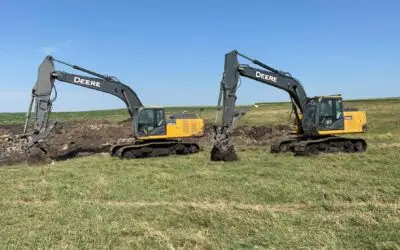
No two building sites are exactly alike. Even neighboring properties can have very different soil conditions, elevations, drainage patterns, or existing vegetation that influence how construction should begin. Before excavation equipment arrives, contractors spend time evaluating the site to understand these existing conditions and determine what work will be necessary before construction can safely move forward.
This evaluation often includes identifying low areas where water naturally collects, determining whether existing trees or structures need to be removed, locating utility easements, and evaluating the condition of the soil. In some cases, the property may already provide an excellent building site with only minor grading required. In others, significant excavation, fill material, or drainage improvements may be necessary before the site is ready to support a foundation. Beginning with a thorough evaluation allows contractors to develop a plan that fits the property rather than applying the same approach to every project.
Clearing and Grading Create the Framework for Construction
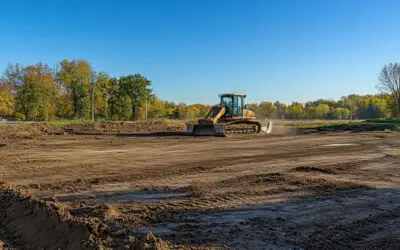
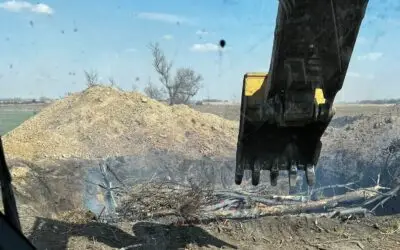
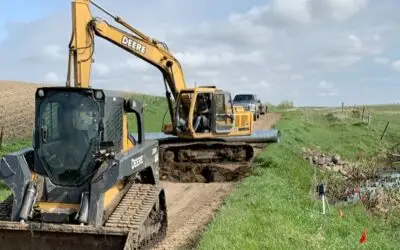
Once planning is complete, the physical preparation of the site begins. Depending on the project, this may involve clearing vegetation, removing topsoil, demolishing existing structures, or relocating unsuitable material. The goal is not simply to create an open area for construction but to establish a building site that supports long-term stability and proper water management.
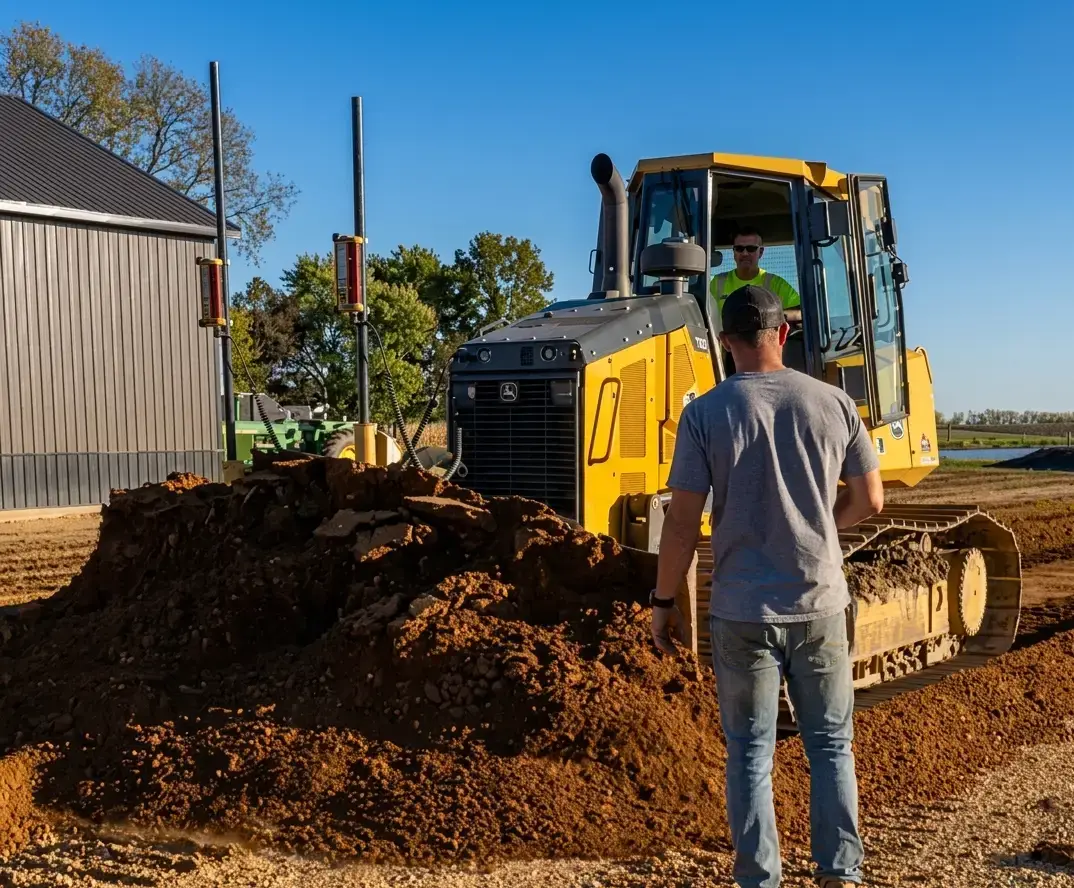
Grading is one of the most important parts of this process. The finished elevation of the site influences how water moves across the property, how foundations perform over time, and how surrounding landscaping will function after construction is complete. Poor grading can lead to standing water, erosion, or drainage issues that affect both the structure and the property itself. Proper grading helps direct water away from buildings while creating a stable surface that supports future construction.
For projects requiring excavation and grading services, careful planning during this phase often helps prevent costly corrections later in the project.
Soil Conditions Matter More Than Most People Realize
Many property owners assume that once the land is cleared, construction can immediately begin. However, what lies beneath the surface is often just as important as what is visible above it. Different soil types respond differently to moisture, temperature changes, and structural loads. Some soils provide excellent support for foundations, while others require additional preparation or stabilization before they can safely carry the weight of a building.
Contractors may perform compaction, remove unsuitable soils, or import engineered fill to create a stronger building platform. These decisions are based on site conditions rather than appearance, which is why proper preparation varies from one property to another.
| Site Preparation Step | Why It Matters |
| Site evaluation | Identifies drainage, access, and existing conditions |
| Clearing vegetation | Provides space for construction and equipment |
| Grading | Directs water away from future structures |
| Soil preparation | Creates a stable foundation for construction |
| Final compaction | Supports long-term structural performance |
Although these steps happen before construction becomes visible, they often determine how well the completed project performs for years to come.
Site Preparation Helps Keep Construction on Schedule
One of the biggest advantages of thorough site preparation is that it helps reduce delays later in the project. Construction becomes much more efficient when contractors begin working on a properly prepared site with stable ground, clearly defined elevations, and adequate access for equipment and materials.
Without proper preparation, unexpected issues often appear after construction has already started. Poor drainage, unstable soil, buried debris, or grading problems can interrupt progress and require additional excavation before work can continue. Addressing these concerns early allows other contractors to work more efficiently while reducing the likelihood of schedule changes that affect the entire project.
Property owners planning larger residential or commercial projects often benefit from working with experienced professionals who provide complete site preparation services because coordination during the earliest stages often sets the tone for the remainder of construction.
Preparing for Utilities and Future Access
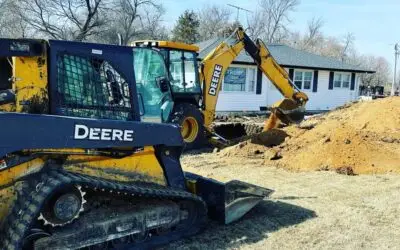
Site preparation is not limited to the building footprint itself. Contractors also consider how utilities, driveways, drainage systems, and future access will integrate with the finished project. Planning these elements early allows excavation work to be completed efficiently while reducing the need for unnecessary rework later.
Driveway locations, utility trenches, septic systems, and stormwater management all depend on proper grading and excavation. Considering these components together during the preparation phase creates a more organized construction process while helping ensure the finished property functions as intended once the project is complete.
Rather than viewing excavation as a separate task, experienced contractors treat it as part of the overall project strategy, helping every phase of construction build upon the work completed before it.
Investing in Site Preparation Helps Protect the Entire Project
Because site preparation happens before foundations or framing begin, it is easy to underestimate its importance. In reality, it is one of the most valuable investments made during any construction project. Proper grading, stable soil, effective drainage, and careful planning all contribute to a building that performs better throughout its lifespan.
According to the Occupational Safety and Health Administration, proper planning and excavation practices are essential for creating safe and stable construction environments before building activities begin.
Taking the time to prepare a site correctly not only helps protect the structure being built, but also reduces future maintenance concerns while supporting long-term property performance.
Great Construction Starts Below the Surface
When construction is complete, most people admire the finished building without ever thinking about the work that happened beforehand. Yet every successful project depends on the quality of its beginning. Site preparation creates the stable foundation that supports every stage of construction, from excavation and utilities to foundations, landscaping, and final grading.
By investing in proper planning and preparation before building begins, property owners create better conditions for every contractor involved while reducing the likelihood of costly surprises later. It may not be the most visible phase of construction, but site preparation is often the reason a project performs well for decades after the equipment has left the job site.