Introduction
Clearing land is one of those projects that looks simpler from the road than it is up close. A few acres of trees, brush, and old fence line can hide stumps, buried debris, soft spots, and decades of accumulated obstacles that only reveal themselves once a machine starts moving through it.
We have cleared everything from small residential homesites to large agricultural parcels across Brookings County and surrounding communities. Every job is different, but the process follows a consistent sequence. Here is what to expect when you hire Cobb Creek Excavating for a land clearing project.
Step 1: The Site Visit
Before we quote a land clearing job, we walk it. We need to see the density and type of vegetation, the size and condition of trees, the slope and soil condition, and whether there are any obstacles we need to plan around: buried utilities, drainage features, rock outcroppings, or structures.
We also talk with you about what the land is being cleared for. A homesite prep has different requirements than agricultural land opening. A parcel being cleared for a machine shed needs different final grading than one being seeded to pasture. The end goal determines how we approach the clearing.
Step 2: Tree And Brush Removal
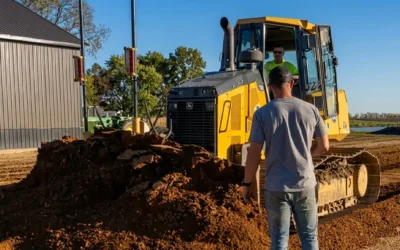
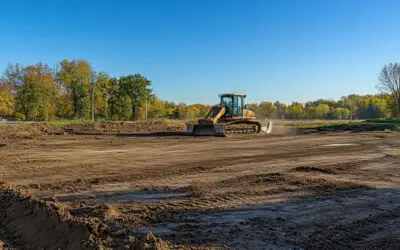
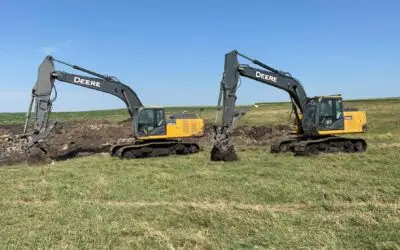
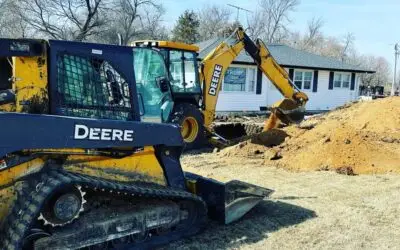
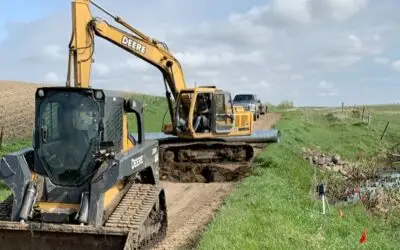
This is usually where we start with the machines. Depending on the size and density of the vegetation, we use a combination of equipment: bulldozers for pushing large trees and windrow piles, and excavators for precision work around obstacles or near areas we want to preserve.
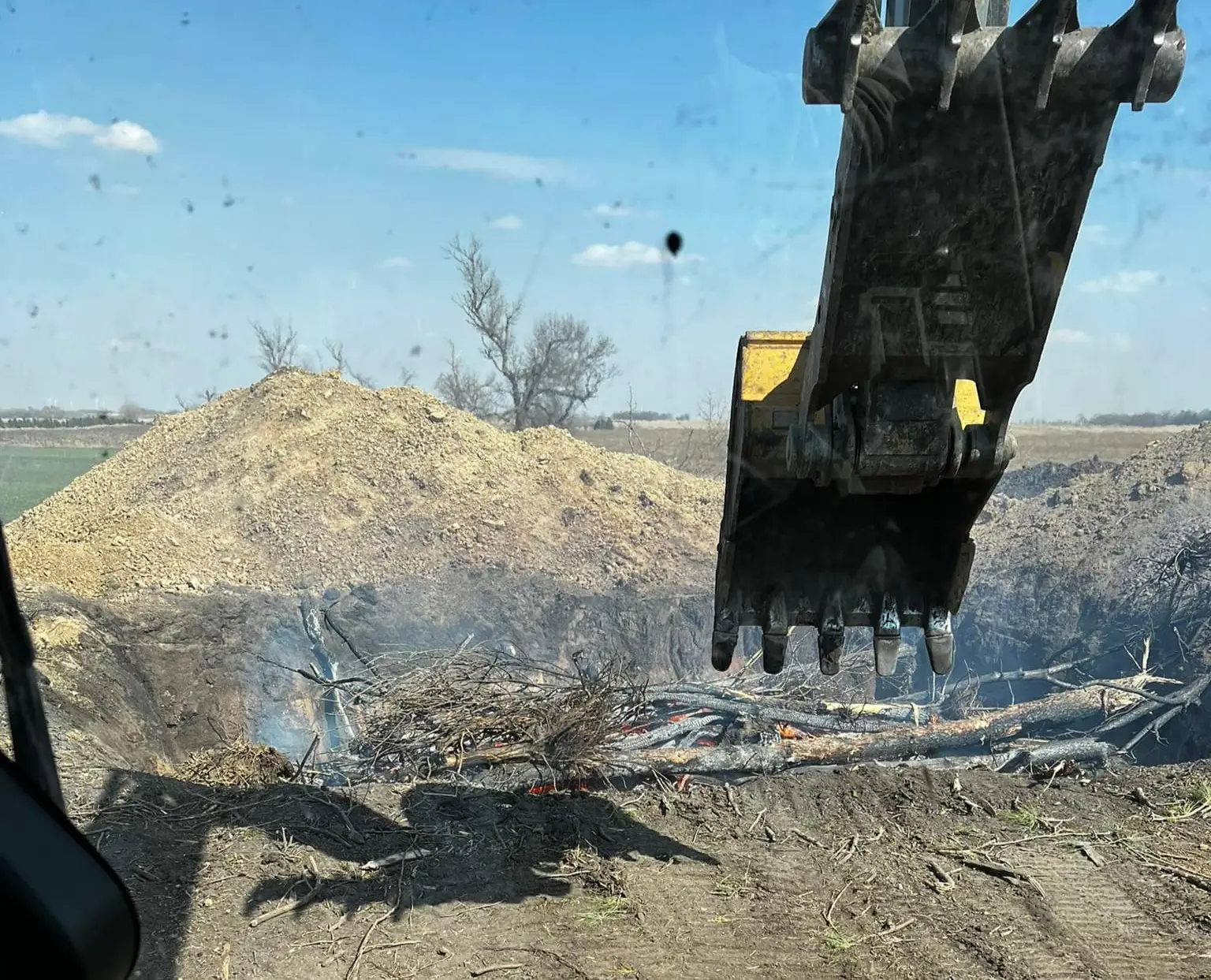
Large trees get pushed or felled, and the debris gets piled for burning, chipping, or hauling depending on the property owner’s preference and local burn regulations. Brush and smaller growth gets cleared in passes.
One thing we always address is root systems. In South Dakota, tree roots can extend well beyond the canopy and go deep into the clay subsoil. Removing the stump and primary root ball is part of clearing, not an optional add-on. Leaving stumps in the ground on land that will be developed or farmed creates settling problems and equipment hazards for years.